Black Friday Sale: up to 47% off. Try it tonight.
Black Friday Sale: up to 47% off. Try it tonight.

Training harder and looking worse?
It wasn't fat. It was cortisol belly. Why men over 40 are gaining weight they can't train off.
The belly that won't shift. The soft chest. The puffy face in every photo. It isn't your age and it isn't your diet. It's a stress hormone that never switches off at night, and it's undoing every session you put in. Here's what's driving it, and how to shut it down.
Goes after the night-time cortisol behind the belly, not your calories
Puts your nights back so your body rebuilds instead of storing
Forty seconds a night. No pills, no melatonin, no stimulants
Informed Sport certified. Tested like the pros take it
4.7 from 2,400+ verified reviews
You don't remember when it happened. You just remember noticing.
It was a shop window. Or the car door. Or a photo someone tagged you in from the barbecue. Side-on, shirt pulling across the middle, and a face you didn't recognise. Rounder. Heavier. Tired.
You sit down and feel your belly fold over your belt. You stopped tucking shirts in a while ago. The fitted gym tee went to the back of the drawer, because it shows your chest more than your arms. Darker colours now. Looser cuts.
At the pool with the kids you're the last one to take your shirt off. Some days you just don't. You've started offering to take the group photo so you're not in it.
And the part that grinds you down: you haven't let yourself go. You train three, four times a week. You eat better than most guys you know. You cut the beer. You tried cutting carbs. The scale barely moves, and the belly moves even less, while the 25-year-olds at the gym eat whatever they want and look carved.
Then the nights. Wired at eleven. Out by midnight. Wide awake at 3am with your heart going and your head already at work. Back to sleep at five, alarm at six. Coffee at seven, coffee at ten, coffee after lunch to stay upright in the meeting. Flat by three. Nothing left for your wife by nine.
Your doctor says your bloods are "fine for your age." So you've started saying it too.
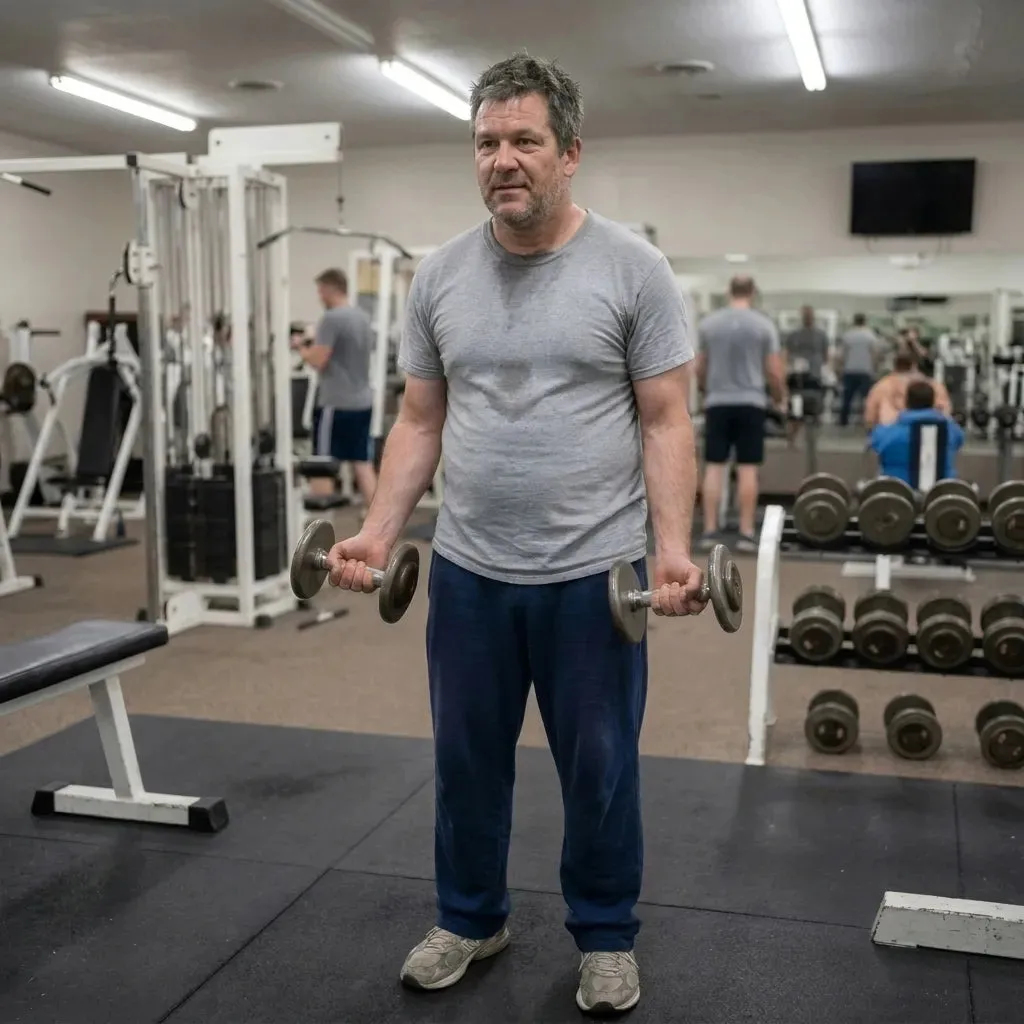
“Testosterone naturally declines about one percent a year from our 30s.”
Matt Jones, sports nutritionist
Broken sleep and high cortisol speed that up.
You don't remember when it happened. You just remember noticing.
It was a shop window. Or the car door. Or a photo someone tagged you in from the barbecue. Side-on, shirt pulling across the middle, and a face you didn't recognise. Rounder. Heavier. Tired.
You sit down and feel your belly fold over your belt. You stopped tucking shirts in a while ago. The fitted gym tee went to the back of the drawer, because it shows your chest more than your arms. Darker colours now. Looser cuts.
At the pool with the kids you're the last one to take your shirt off. Some days you just don't. You've started offering to take the group photo so you're not in it.
And the part that grinds you down: you haven't let yourself go. You train three, four times a week. You eat better than most guys you know. You cut the beer. You tried cutting carbs. The scale barely moves, and the belly moves even less, while the 25-year-olds at the gym eat whatever they want and look carved.
Then the nights. Wired at eleven. Out by midnight. Wide awake at 3am with your heart going and your head already at work. Back to sleep at five, alarm at six. Coffee at seven, coffee at ten, coffee after lunch to stay upright in the meeting. Flat by three. Nothing left for your wife by nine.
Your doctor says your bloods are "fine for your age." So you've started saying it too.
“Testosterone naturally declines about one percent a year from our 30s.”
Matt Jones, sports nutritionist
Broken sleep and high cortisol speed that up.
The mechanism
Meet the Night Cortisol Trap.
Cortisol isn't the enemy. It's your alarm. It's meant to spike when you wake, fall all day, and hit its lowest point while you sleep. That low point is your body's window to rebuild muscle and make testosterone.
Under constant stress, the alarm never switches off. Cortisol is still high when you go to bed, and it spikes again around 3am. That's the 3am stress signal. It's what wakes you, and it's what keeps your body in storage mode all night.
High cortisol tells your body to hold fat around your middle, like it's preparing for famine. It drags testosterone down. Less testosterone means less muscle, more fat on your belly and chest, a puffier face, and no drive.
That's why it's those three places. Puffy face. Man boobs. Dad bod. They're not three problems. They're one hormone, showing up in three places.
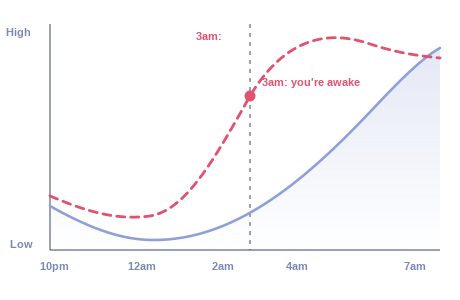
How it should run
Stressed and dehydrated
3am: you're awake. Illustrative shape of a nightly rhythm. Not measured values, and not a depiction of any individual.
And the loop pays for itself
✕
3am wake. Short sleep. Testosterone takes the hit
✕
You wake up wrecked and reach for coffee. Coffee pushes cortisol up again
✕
High cortisol all day means cravings at 4pm and beer at 7pm
✕
You go to bed with cortisol still up. 3am comes round again
✕
Meanwhile you're training on a body that never gets one full night to recover. So the gym stops working
The mechanism
Meet the Night Cortisol Trap.
Cortisol isn't the enemy. It's your alarm. It's meant to spike when you wake, fall all day, and hit its lowest point while you sleep. That low point is your body's window to rebuild muscle and make testosterone.
Under constant stress, the alarm never switches off. Cortisol is still high when you go to bed, and it spikes again around 3am. That's the 3am stress signal. It's what wakes you, and it's what keeps your body in storage mode all night.
High cortisol tells your body to hold fat around your middle, like it's preparing for famine. It drags testosterone down. Less testosterone means less muscle, more fat on your belly and chest, a puffier face, and no drive.
That's why it's those three places. Puffy face. Man boobs. Dad bod. They're not three problems. They're one hormone, showing up in three places.
How it should run
Stressed and dehydrated
3am: you're awake. Illustrative shape of a nightly rhythm. Not measured values, and not a depiction of any individual.
And the loop pays for itself
✕
3am wake. Short sleep. Testosterone takes the hit
✕
You wake up wrecked and reach for coffee. Coffee pushes cortisol up again
✕
High cortisol all day means cravings at 4pm and beer at 7pm
✕
You go to bed with cortisol still up. 3am comes round again
✕
Meanwhile you're training on a body that never gets one full night to recover. So the gym stops working
Why everything you've tried failed. Same reason every time.
More cardio? More stress on a body already drowning in cortisol. You got hungrier, not leaner.
Cutting carbs, keto, fasting? Worked for three weeks. Then the belly came back, because calories were never the problem.
An extra gym session? Training is stress. Without the sleep to recover from it, it's more cortisol, not more muscle.
The testosterone booster from the supplement aisle? You can't boost what cortisol is stripping out every night.
Melatonin? Knocks you out faster and does nothing about the 3am cortisol spike. You still wake at three. Now you're groggy at seven too.
Every one of those went after your diet, your workouts or your brain. Not one went after the hormone that's undoing them.
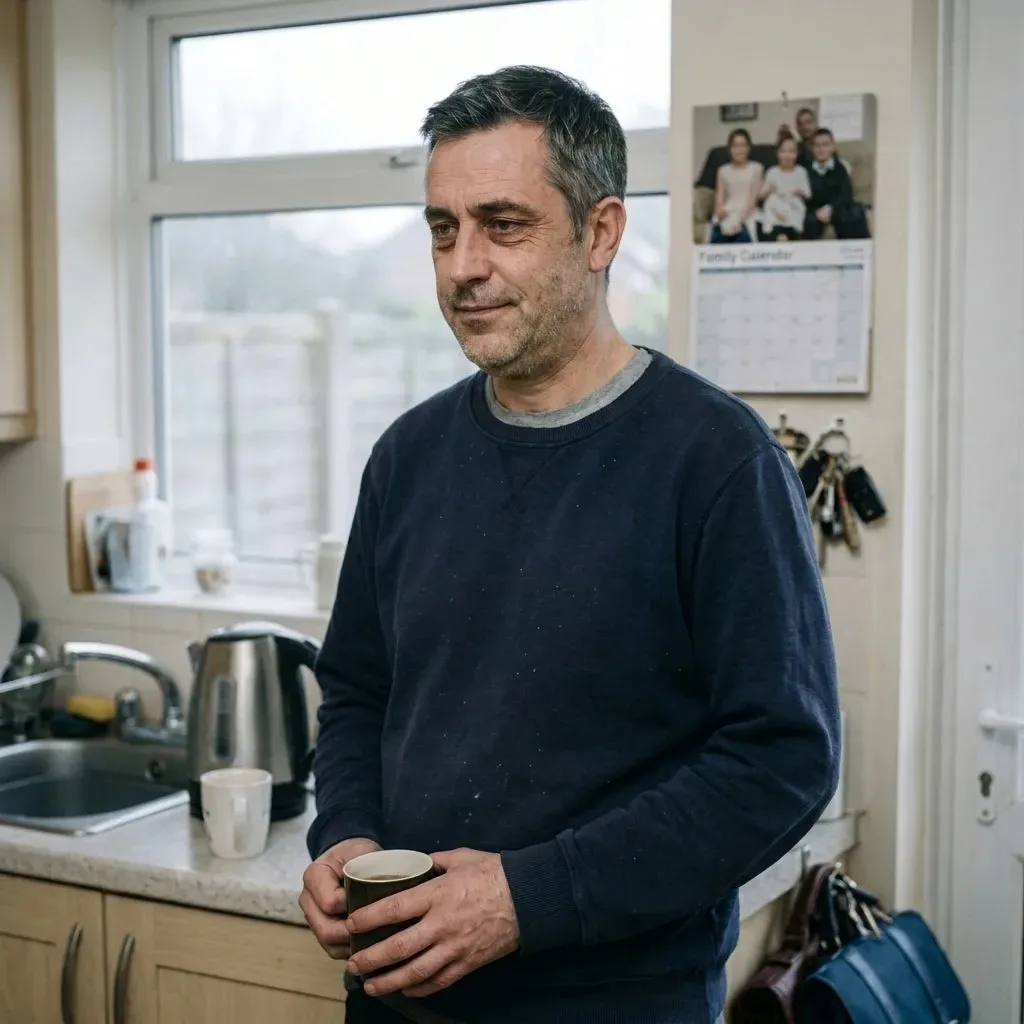
You didn't fail. You were fighting the wrong thing.
Why everything you've tried failed. Same reason every time.
More cardio? More stress on a body already drowning in cortisol. You got hungrier, not leaner.
Cutting carbs, keto, fasting? Worked for three weeks. Then the belly came back, because calories were never the problem.
An extra gym session? Training is stress. Without the sleep to recover from it, it's more cortisol, not more muscle.
The testosterone booster from the supplement aisle? You can't boost what cortisol is stripping out every night.
Melatonin? Knocks you out faster and does nothing about the 3am cortisol spike. You still wake at three. Now you're groggy at seven too.
Every one of those went after your diet, your workouts or your brain. Not one went after the hormone that's undoing them.
You didn't fail. You were fighting the wrong thing.
Why another month costs you
It doesn't hold still. It compounds.
✕
Every month on high cortisol, testosterone drops a little further
✕
Less muscle means a slower metabolism, so the belly grows faster
✕
Worse sleep means more coffee, more cravings, more cortisol
✕
You start skipping the gym because it "isn't working anyway"
And one day you stop calling it a problem and start calling it your age. That's the real cost.
The variable nobody sells
Overnight Mineral Loading. Turn off the 3am stress signal before it fires.
If the alarm is being tripped by dehydration, there are only two ways to stop it. Drink during the night, which you can't, because you're unconscious. Or go into the night with enough in the tank that the signal never fires.
That's the entire idea, and it only works if the fluid stays.
Plain water doesn't stay. Without the minerals that hold it in circulation, you've simply moved the problem to your bladder. But water carrying sodium, potassium and magnesium in the right ratio at the right dose behaves completely differently. It's retained across the whole window instead of flushed before it.
Your body holds its water. So it never sends for cortisol. So three o'clock comes and goes.

Athletes load before the event. Your night is eight hours of loss you can't interrupt. Load before it.
The sleep aisle has never thought of itself as having anything to do with hydration. The hydration aisle doses everything for a session in the gym at two in the afternoon. Nobody was formulating for the eight hours in between.
~1L
Fluid lost across a single night, breathing and sweating alone
8 hrs
Of continuous loss with zero intake
60 min
The only window where you can do anything about it
The variable nobody sells
Overnight Mineral Loading. Turn off the 3am stress signal before it fires.
If the alarm is being tripped by dehydration, there are only two ways to stop it. Drink during the night, which you can't, because you're unconscious. Or go into the night with enough in the tank that the signal never fires.
That's the entire idea, and it only works if the fluid stays.
Plain water doesn't stay. Without the minerals that hold it in circulation, you've simply moved the problem to your bladder. But water carrying sodium, potassium and magnesium in the right ratio at the right dose behaves completely differently. It's retained across the whole window instead of flushed before it.
Your body holds its water. So it never sends for cortisol. So three o'clock comes and goes.
Athletes load before the event. Your night is eight hours of loss you can't interrupt. Load before it.
The sleep aisle has never thought of itself as having anything to do with hydration. The hydration aisle doses everything for a session in the gym at two in the afternoon. Nobody was formulating for the eight hours in between.
~1L
Fluid lost across a single night, breathing and sweating alone
8 hrs
Of continuous loss with zero intake
60 min
The only window where you can do anything about it
The Study Behind Hydration, Cortisol & Stress
The Study Behind Hydration, Cortisol & Stress
Built on it
Cadence Sleep Hydration
One tart cherry stick pack in water, an hour before bed. It brings cortisol down at night, keeps you hydrated so the 3am signal never fires, and gives your body the full night it needs to rebuild. Built for the hours that are wrecking your body, not the ten minutes before you fall asleep.
Every dose on the label. Aimed at cortisol, not your brain.
Pillar 01 · Cortisol and calm
Ashwagandha 100mg
Goes straight at the system that controls how much cortisol you release.
L-Theanine 200mg: shuts the noise off at night.
Pillar 02 · Hydration and deep sleep
Sodium / potassium / magnesium 100/100/50mg
Holds water overnight so the 3am signal never fires.
L-Glycine 1000mg: drops core temperature so you go deep and stay there.
Pillar 03 · Your own sleep rhythm
L-Tryptophan 1000mg + B6 14mg
Your body makes its own melatonin. No groggy morning.
Valerian 75mg (10:1), zinc 2mg.
What happens, week by week.
DEC. JAN. FEB.
Week 1
You sleep through 3am.
Week 2
Less puffy in the morning. Energy holds past 3pm.
Week 4
Cravings settle. The gym starts working again.
After that
Belt goes in a notch. Chest is flatter. The shirt comes off at the pool.
What happens, week by week.
DEC. JAN. FEB.
Week 1
You sleep through 3am.
Week 2
Less puffy in the morning. Energy holds past 3pm.
Week 4
Cravings settle. The gym starts working again.
After that
Belt goes in a notch. Chest is flatter. The shirt comes off at the pool.
Forty seconds. Then you go to bed.
One stick pack, small glass of water, an hour before bed, same time every night.
01
Tear it into a small glass of water
One stick pack. One small glass of water.
02
Drink it an hour before bed
An hour, not five minutes.
03
Same time every night
Make it part of your evening routine.
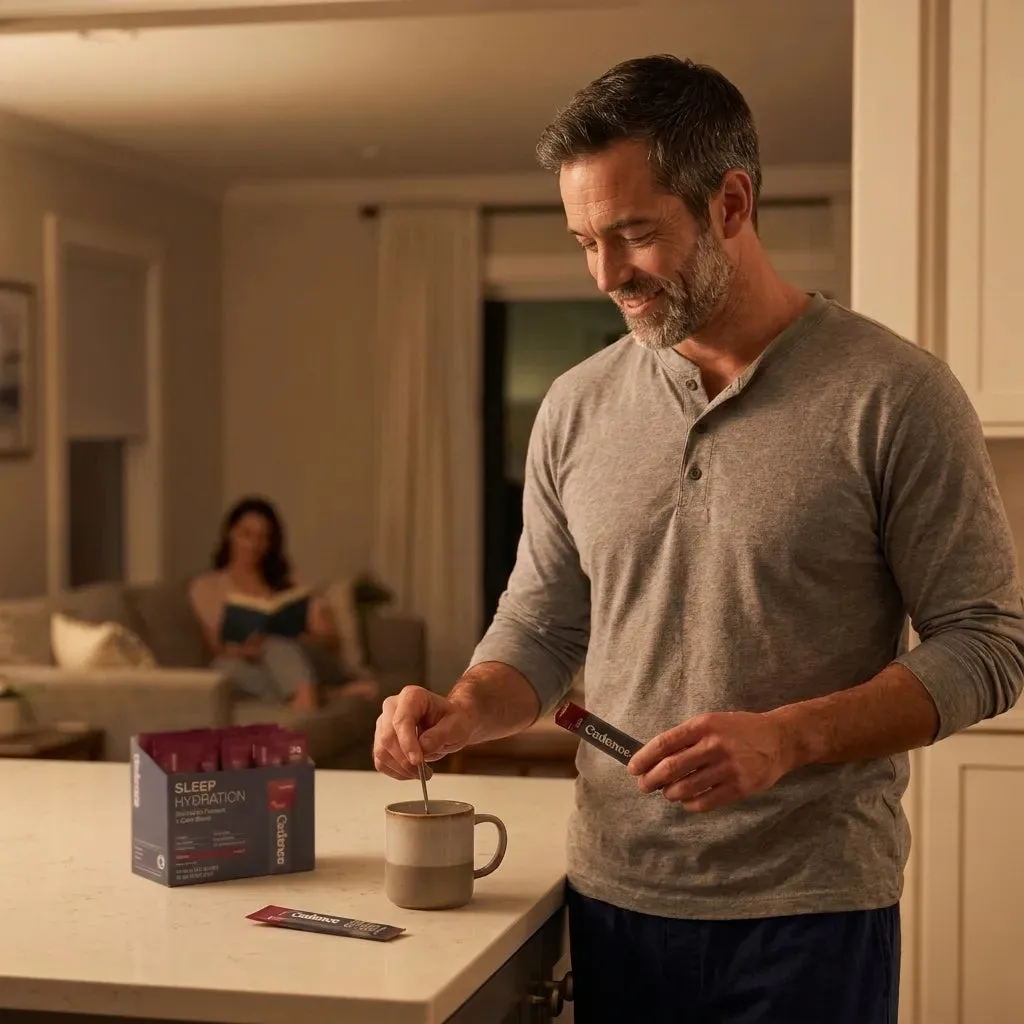
Forty seconds. Then you go to bed.
One stick pack, small glass of water, an hour before bed, same time every night.
01
Tear it into a small glass of water
One stick pack. One small glass of water.
02
Drink it an hour before bed
An hour, not five minutes.
03
Same time every night
Make it part of your evening routine.
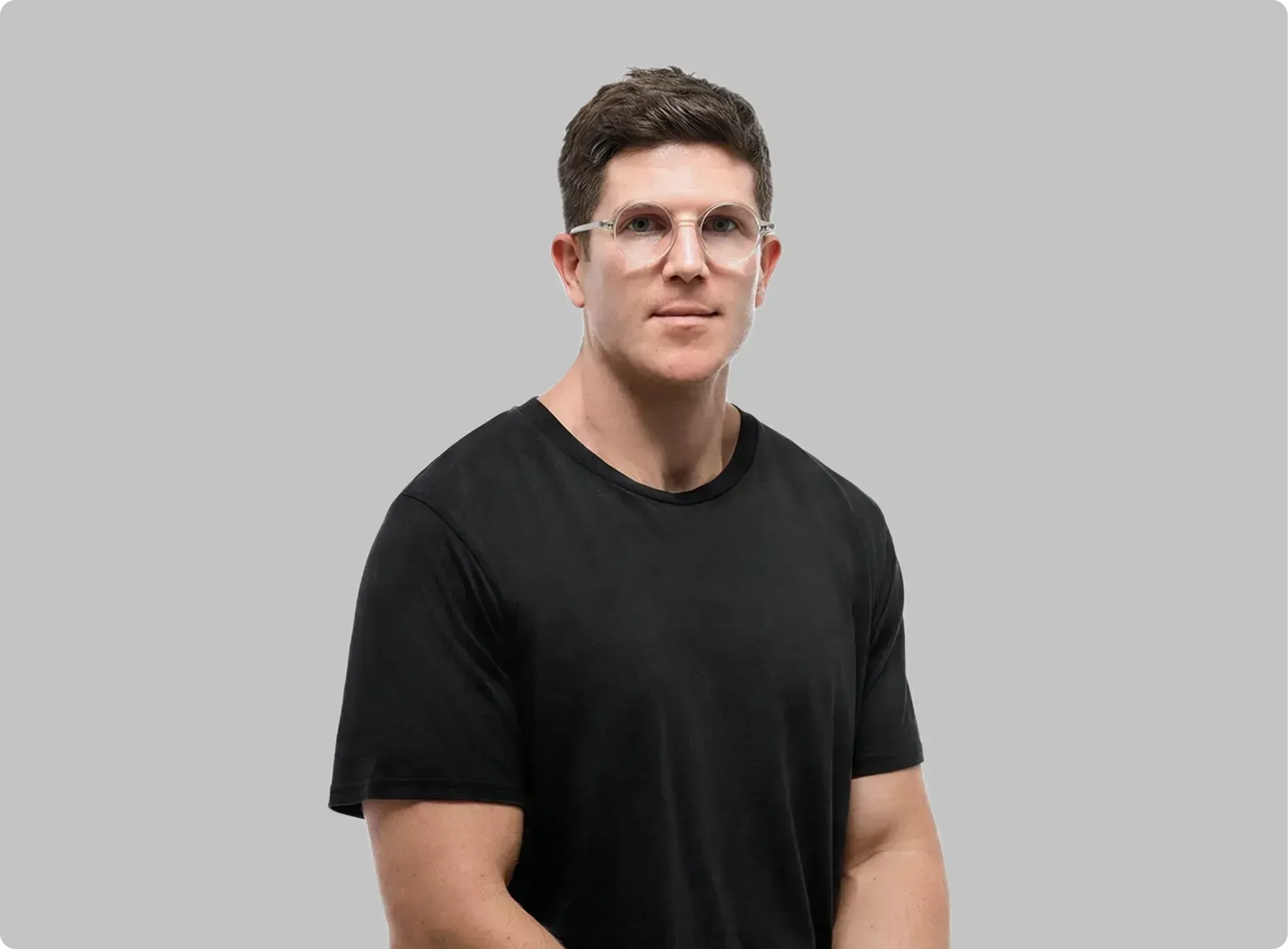
Matt Jones, Sports Nutrition Advisor
Informed Sport certified. Tested for banned substances.

Matt Jones, Sports Nutrition Advisor
Informed Sport certified. Tested for banned substances.
“I thought it was just getting older.”
4.7 stars from 2,400+ verified reviews
“I thought it was just getting older.”
4.7 stars from 2,400+ verified reviews
Your questions, answered.
Your questions, answered.
You didn't get old. You got cortisol.
Start fixing it tonight. One stick pack before bed.
You didn't get old. You got cortisol.
Start fixing it tonight. One stick pack before bed.
Food supplement. Not a substitute for a varied, balanced diet or a healthy lifestyle. Not intended to diagnose, treat, cure or prevent any disease. Individual results vary.
Overnight fluid loss figures describe a healthy adult average and vary considerably with room temperature, bedding, body size and individual physiology. If night waking has persisted for months, and particularly if you snore heavily or have been told you stop breathing in your sleep, speak to your doctor. That can indicate sleep apnea, and no supplement substitutes for ruling it out.